

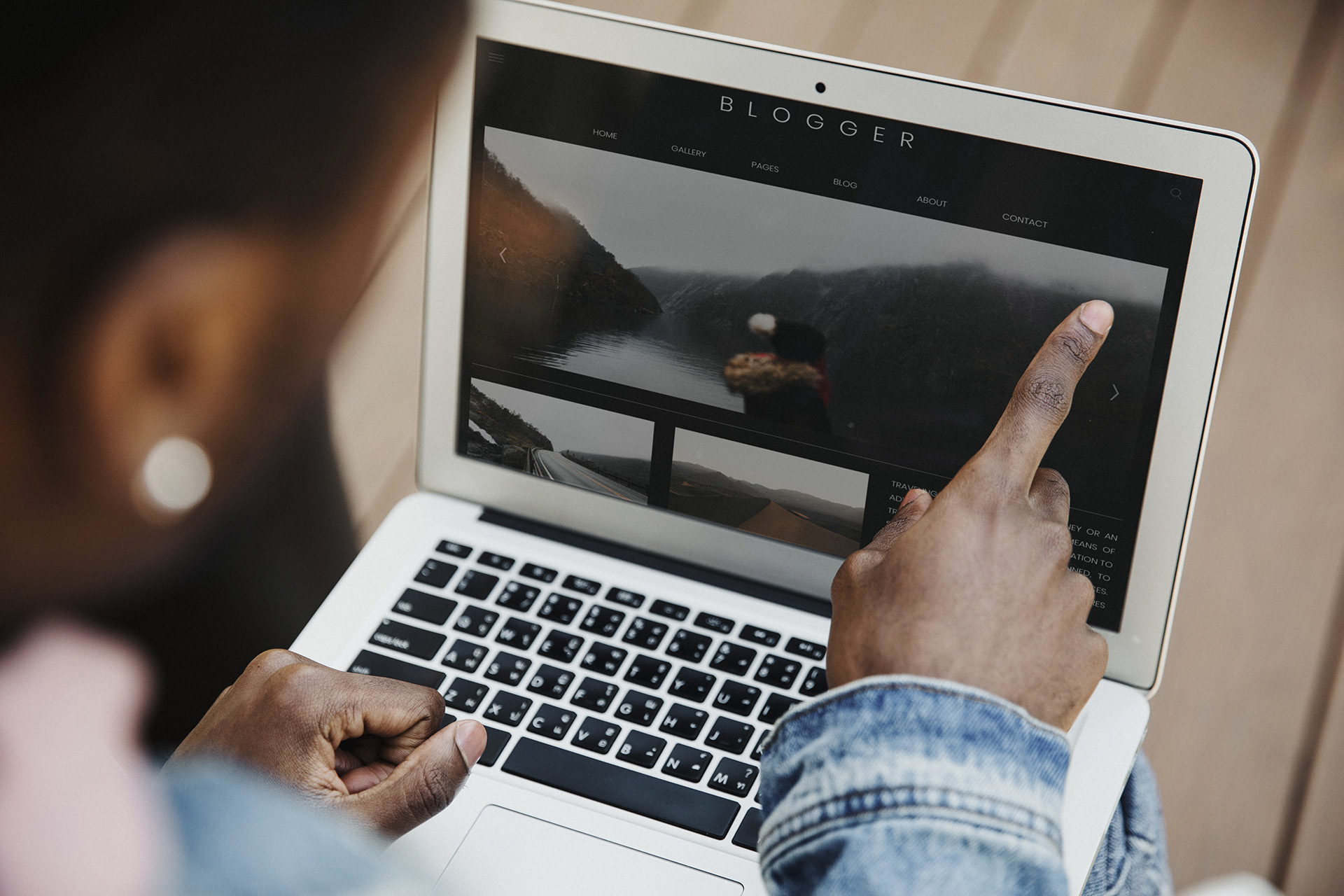


A BRAND AND A WEBSITE THAT ACTUALLY LOOK LIKE THE SAME BUSINESS

RubyWeb builds brand identities and UX-optimised websites for South African businesses that want every touchpoint to feel consistent, and every visitor experience to actually convert. 
The Real Problem

Nothing Looks Broken. You're Still Losing Visitors.


Most businesses come to us with a brand and a website that have drifted apart, an identity that hasn’t kept up with the business, or a site whose UX quietly loses visitors without anyone knowing exactly where. 

The gaps that quietly cost you leads.

Accordion component, collapsed by default, expands on click:

We map the user journey and pinpoint exactly where they drop off.

We refresh the identity to reflect the business you've actually become.

We build a consistent system every touchpoint pulls from.

We look past appearance to the structural and UX causes.

We build the design system so the two are developed together, not separately.

We deliver clear usage guidelines anyone on your team can follow.

Our Capabilities

A Prioritised Plan, Not a List of Opinions

We organise this pillar around making your brand and your website work together as one consistent, evidence-based experience, not a rebrand for its own sake or a UX opinion without data behind it. 

How We Deliver Every Project

Every engagement runs through the same eight-phase process – no shortcuts, no exceptions. Every site is Google Lighthouse benchmarked before launch.

  1. UX / UI Audit

    We look at what you have before we plan what to build. No assumptions, no copy-paste from the last client.

  2. Project Planning

    Scope, timeline, milestones, and communication rhythm agreed upfront. You’ll know what’s happening before a single tool is opened.

  3. Wireframes

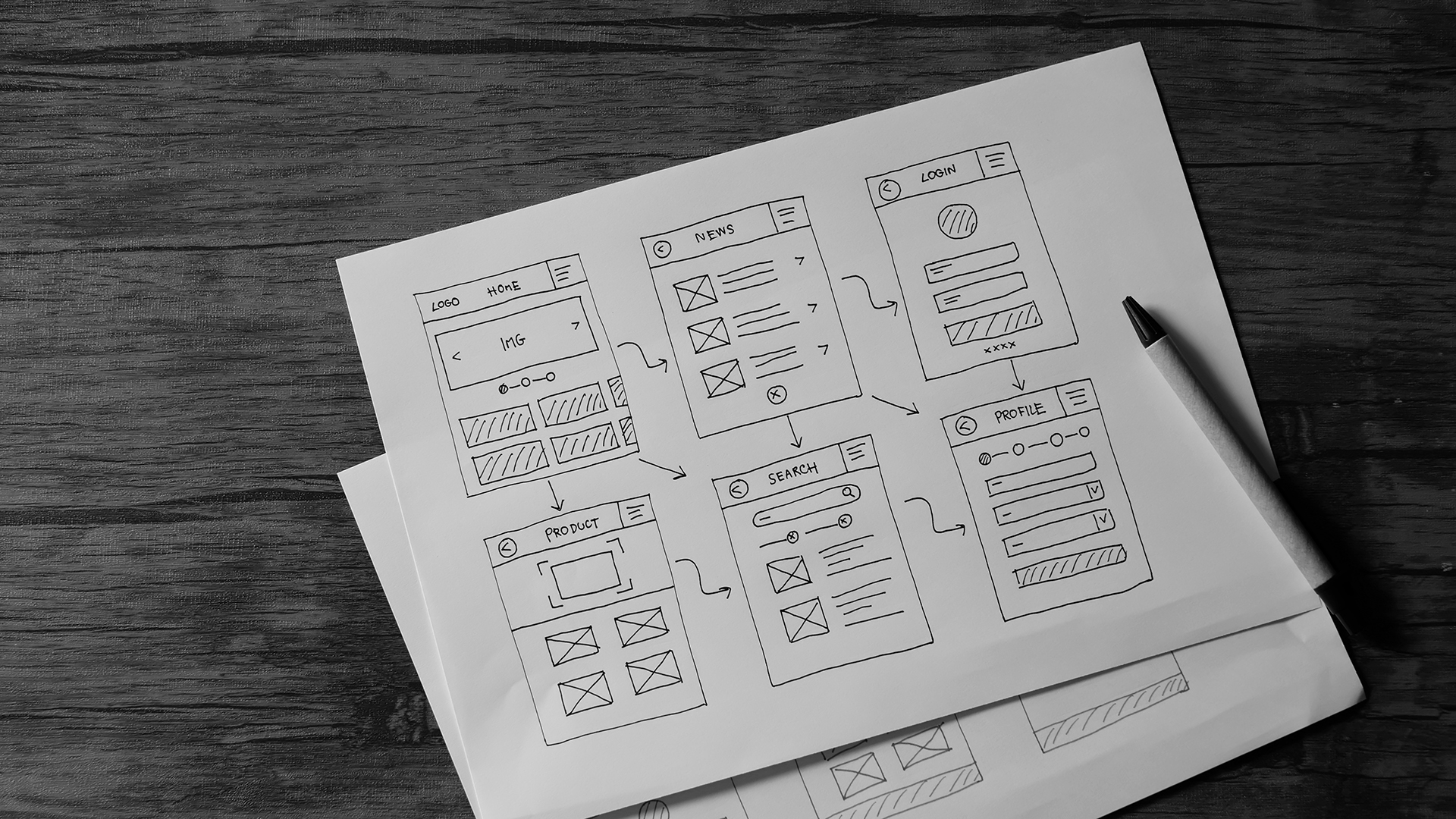
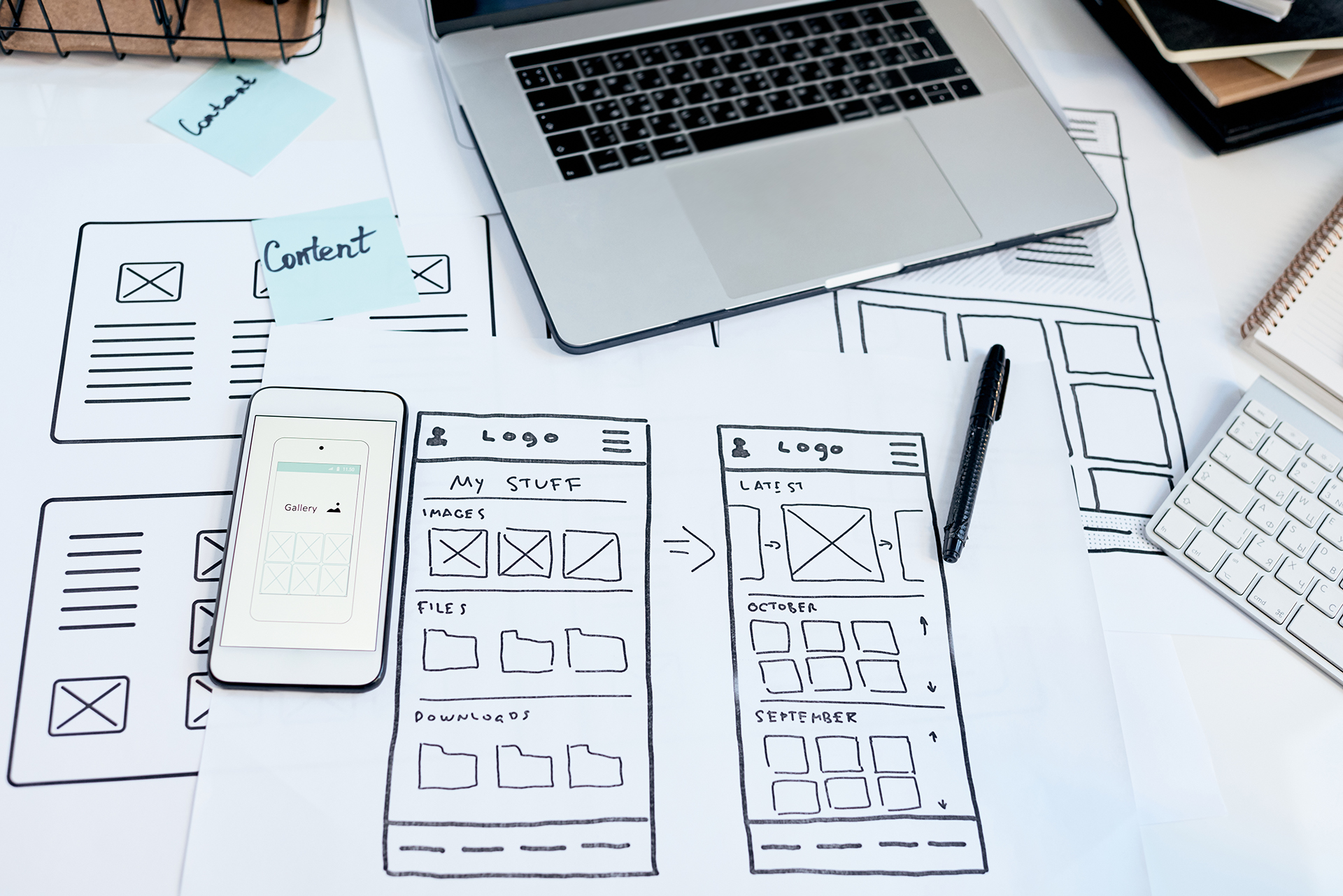
    Structure before style. We map how users move through the site and agree on the architecture before design begins. This is where conversion is built in - not bolted on.

  4. Design

    Brand-aligned visuals with clear feedback checkpoints. Nothing moves to development without your sign-off.

  5. Content Finalization

    Every page needs final copy, images, and assets before the build starts. We manage this actively - most project delays live here, and we protect against that early.

  6. Development

    Clean code, regular updates, no surprises. A 50% deposit secures your start date.

  7. Testing & UAT

    We test across devices and browsers before you see it. You review and sign off before anyone talks about launch.

  8. Launch

    Tuesday to Thursday only. Google Lighthouse benchmarked, fully documented, handed off with training.

Selected Work

How We Deliver This Work

Brand and UX work runs through the same structured process as every RubyWeb engagement: discovery and audit first, design with defined feedback checkpoints, then handover with clear documentation. 
Klein Constantia

Klein Constantia has spent centuries building one of South Africa's most celebrated wine estates. Their website wasn't keeping pace. We rebuilt their digital presence from the ground up - modernising the eCommerce experience, integrating their inventory systems, and delivering a platform as refined as the wines they produce.

Read more about this Case Study →

Robeck

Robeck is a trusted international freight and logistics company. They had the reputation, the track record, and the client relationships. What they didn't have was a website - or a word of web copy. We built both, and added ongoing SEO to grow their visibility in a competitive market.

Read more about this Case Study →
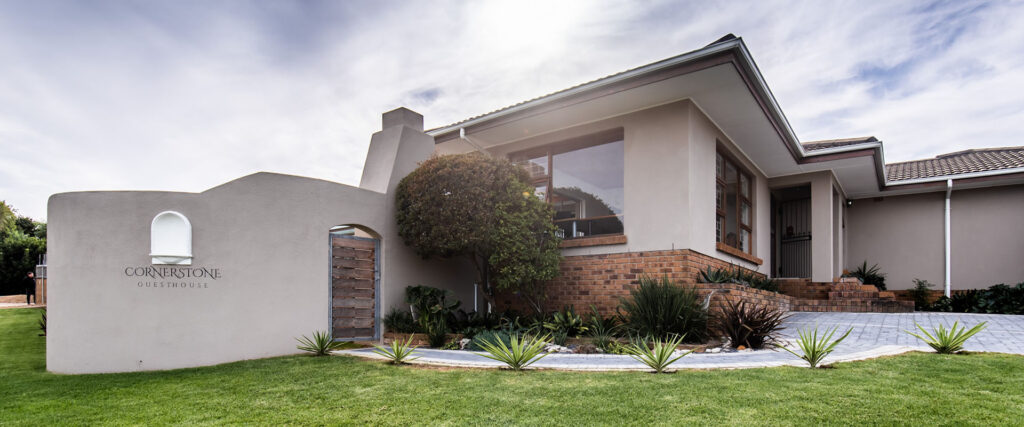
Cornerstone Guesthouse

Cornerstone Guesthouse had a strong reputation and loyal guests. What they didn't have was a website. We built one from scratch, integrated a booking system, and supported early SEO work that translated into measurable increases in online reservations.

Read more about this Case Study →

Web Design and UX Services - FAQ

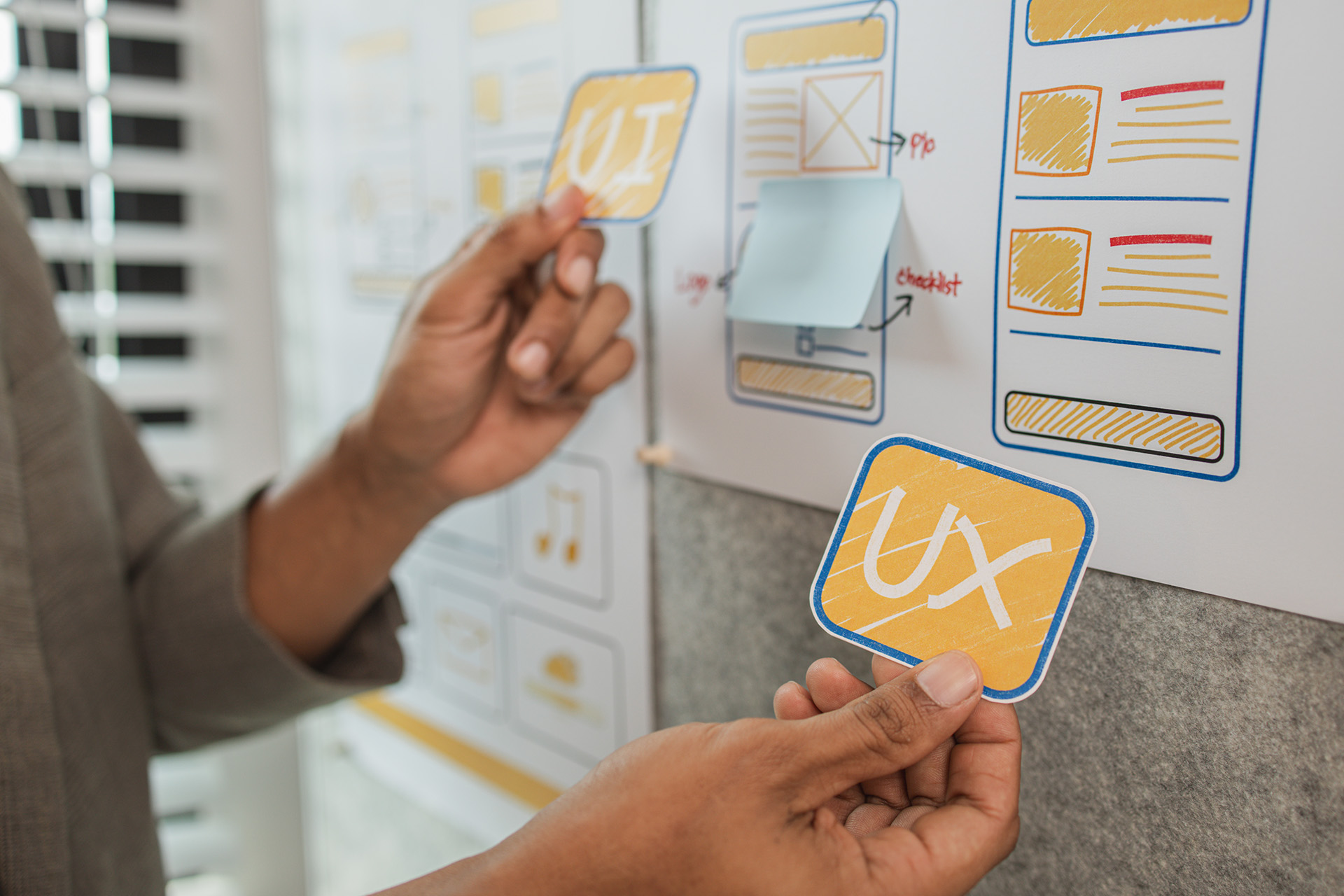
Web design typically refers to the visual layer - the colors, typography, layout, and aesthetic decisions that make a site look and feel a certain way. UX design (user experience design) refers to the structural and behavioral layer - how users navigate, what they see when, how information is organized, and how easy or difficult it is to complete an action. In practice, the two are inseparable. Good web design without good UX produces sites that look impressive but don’t convert. We work across both.

Business audiences have high expectations for digital professionalism. Design that looks dated, loads slowly, or presents information in a cluttered way signals lack of attention to detail - and in competitive markets, that signal costs conversions. We approach design with an understanding of those expectations: clean, credible, fast, and optimized for the specific decisions your audience is making on your site.

Our UX audits cover user journey mapping, conversion funnel analysis, drop-off point identification, mobile UX review, navigation and information architecture assessment, and Google Lighthouse performance benchmarking. We also review form design, call-to-action placement, and content hierarchy. The output is a prioritized action plan - not a list of things that are wrong, but a ranked set of improvements with the commercial rationale for each.

Often, targeted improvements deliver faster commercial results than a full redesign. If the fundamental structure of your site is sound, UX optimization, design refinement, and performance work can move the needle significantly without the cost and timeline of a full rebuild. We’ll give you an honest assessment after reviewing your current site - and if a full redesign is warranted, we’ll explain why in commercial terms, not aesthetic ones.

A design system is a documented set of design decisions - components, patterns, colors, typography, spacing - that ensures every part of your site looks and behaves consistently. You need one if your site has grown organically and now looks inconsistent across pages, if multiple people are adding content or pages and the visual coherence is suffering, or if you’re planning significant future development and want to avoid compounding design debt. For growing businesses, a design system is infrastructure, not overhead.

A focused brand identity project - logo, color system, typography, and visual guidelines - typically runs 4–6 weeks. A full brand identity combined with a website design system and development handoff will take longer and is scoped as a combined engagement. We’ll give you a clear timeline based on your specific requirements before any work begins.

Ready for a Brand and a Website That Actually Work Together?

Tell us where things feel disconnected. We’ll come back with a clear, scoped recommendation, no jargon, no pressure. 

"*" indicates required fields